
Understanding the psychological impacts of gambling on decision-making and behavior
The Nature of Gambling Addiction
Gambling addiction is a complex phenomenon that intertwines psychological, social, and environmental factors. At its core, it often begins with the thrill of winning, which activates the brain’s reward system. This can lead to heightened feelings of excitement and euphoria, creating a cycle that is difficult to break. For those looking to manage their gambling experiences, the katsubet casino login allows players to access their accounts seamlessly. Individuals may find themselves prioritizing gambling over essential aspects of their lives, such as relationships, work, and health.
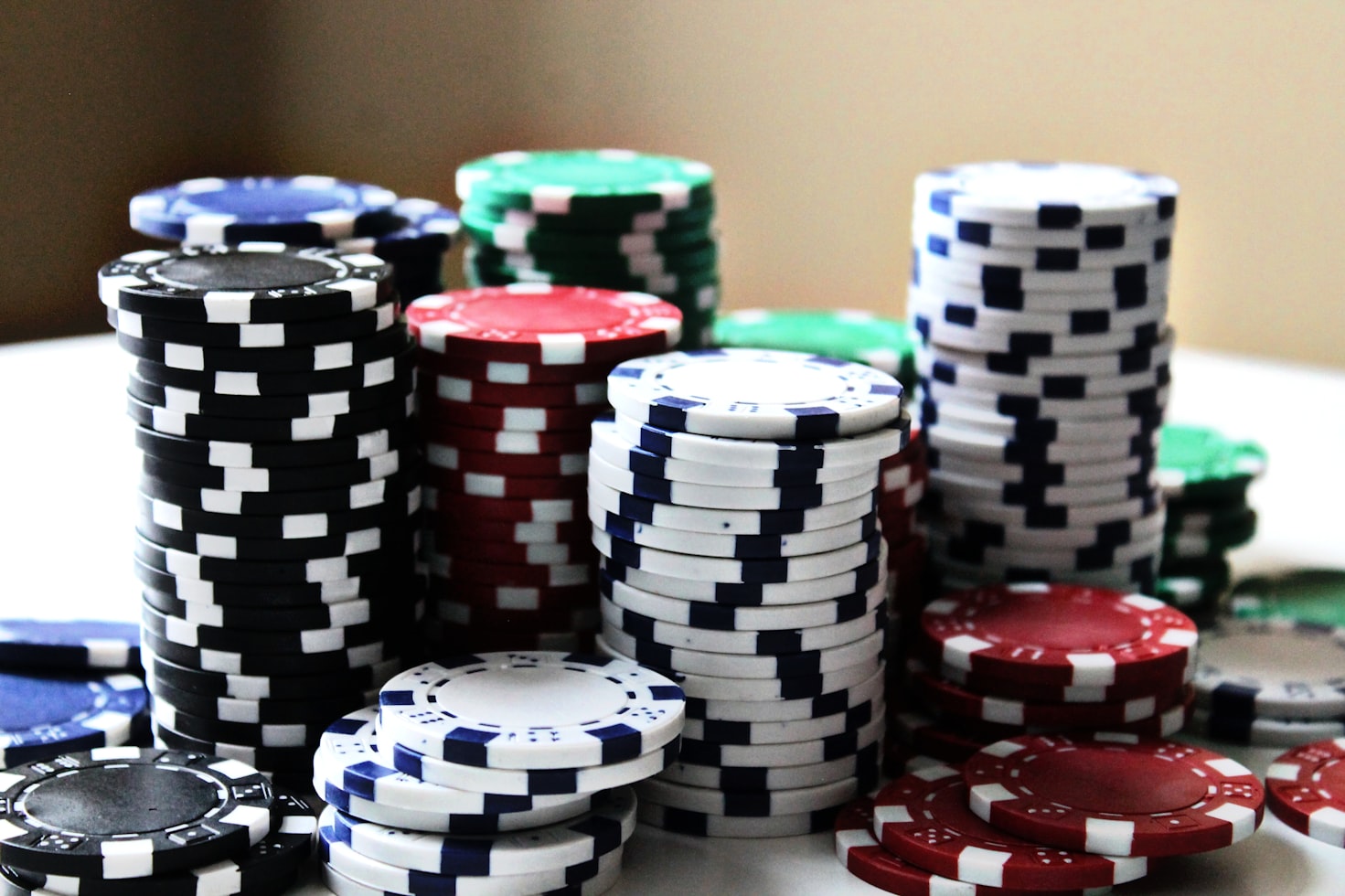
The psychological impact of gambling addiction also includes feelings of guilt, anxiety, and depression. As individuals gamble more, the pressure to recover losses can create a vicious cycle, leading to compulsive behaviors. Understanding these psychological triggers is crucial for developing effective interventions and support systems for those affected.
The Role of Cognitive Biases
Cognitive biases play a significant role in how individuals perceive and engage in gambling activities. Common biases, such as the illusion of control and the gambler’s fallacy, can distort a person’s decision-making process. The illusion of control leads players to believe that they can influence outcomes that are fundamentally random, while the gambler’s fallacy convinces them that past losses will eventually lead to future wins.
These biases can skew an individual’s understanding of risk and reward, causing them to make illogical choices. By recognizing and addressing these cognitive distortions, individuals can improve their decision-making skills and reduce the likelihood of engaging in harmful gambling behaviors.
The Emotional Aspects of Gambling
The emotional landscape of gambling is as intricate as its psychological components. Many individuals turn to gambling as a means of escape from stress or negative emotions, seeking solace in the highs of winning. However, the emotional rollercoaster associated with gambling can lead to a decline in mental well-being, resulting in increased anxiety and depressive symptoms when losses occur.
Moreover, emotional states can heavily influence decision-making during gambling. For instance, an individual who is feeling particularly stressed may take more risks, while someone in a positive state may be more cautious. Understanding these emotional triggers can be vital in helping individuals make more rational choices while gambling, fostering a healthier relationship with the activity.
The Social Influence of Gambling Behavior
Social factors also play a significant role in shaping gambling behavior. Peer influences can encourage individuals to engage in gambling, leading to the normalization of risky behaviors within certain social circles. This social acceptance can amplify the psychological impacts of gambling, making it more challenging for individuals to recognize when their behaviors become problematic.
Community dynamics, such as local gambling availability and cultural attitudes toward gambling, can further contribute to an individual’s propensity to gamble. By examining these social influences, we can better understand the broader context of gambling behavior and its implications for individual decision-making.
Enhancing Responsible Gambling Practices
To mitigate the psychological impacts of gambling, it is essential to promote responsible gambling practices. This includes educating individuals about the risks associated with gambling and encouraging them to set limits on their activities. Resources like counseling and support groups can also provide vital assistance for those struggling with gambling addiction.
By fostering a culture of awareness and responsibility around gambling, we can help individuals make more informed decisions and maintain healthier behaviors. Resources available online can guide individuals toward better gambling habits and provide support for those seeking to understand their gambling behavior more deeply.
Leave a Reply