
The impact of gambling on society what you need to know chicken road game
The Cultural Context of Gambling
Gambling has been a part of human culture for centuries, manifesting in various forms across different societies. The cultural perceptions of gambling can greatly influence how individuals engage with it. In some cultures, gambling is viewed as a traditional activity, often associated with social gatherings and celebrations. Conversely, in others, it may be seen as taboo or detrimental, highlighting the necessity of understanding these cultural nuances when discussing its societal impact. For example, the emergence of mobile games like chicken road ios reflects how cultural attitudes can shift and shape new gaming experiences.
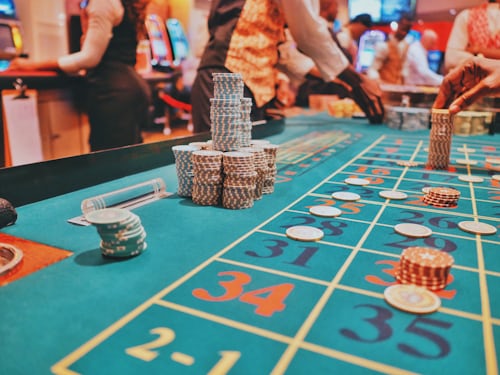
The way gambling is integrated into social norms can also shape community behavior. For instance, in regions where gambling is widely accepted, it may promote community bonding and entertainment, while in areas with strict regulations, it could lead to underground gambling activities. This dichotomy illustrates how culture profoundly affects the gambling landscape and influences public policy.
The Psychological Effects of Gambling
The psychological implications of gambling are both profound and varied. While many engage in gambling for recreation and enjoyment, the potential for addiction presents significant risks. Gambling can lead to compulsive behavior, impacting mental health and causing issues such as anxiety and depression. Understanding these psychological effects is crucial for fostering a healthier approach to gambling.
Additionally, the thrill associated with games like Chicken Road can amplify the adrenaline rush, making it easy for players to lose track of time and money. This dynamic can deepen the psychological grip gambling has on individuals, emphasizing the importance of awareness and responsible gaming practices.
The Economic Impact of Gambling
Gambling contributes significantly to the economy, providing jobs and generating tax revenue. Casinos and gaming establishments often stimulate local economies by attracting tourists and fostering business opportunities. This economic benefit, however, must be weighed against the social costs associated with gambling addiction and crime, which can burden community resources.
As games like Chicken Road gain popularity, they introduce new economic dimensions, particularly in the digital space. The convenience of mobile gaming appeals to a broader audience, potentially increasing overall gambling revenues while simultaneously raising questions about regulation and consumer protection.
The Social Consequences of Gambling
The social consequences of gambling extend beyond individual experiences; they can reshape communities. While some view gambling as harmless entertainment, others point out the negative social ramifications, such as increased crime and family instability. These consequences necessitate open discussions about the balance between enjoyment and the potential for harm.
Moreover, the advent of online gambling and mobile games like Chicken Road has made gaming more accessible, but this has also led to concerns about its impact on youth. It is crucial for society to address how these trends influence various demographics, ensuring that protective measures are in place to prevent negative outcomes.
Understanding Chicken Road and Its Place in Gaming
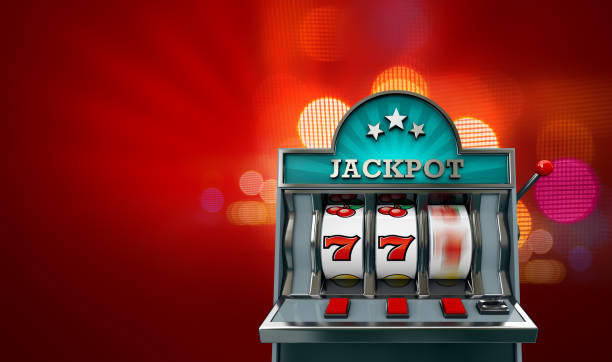
Chicken Road exemplifies the exciting intersection of gaming and gambling, offering a platform that is accessible and engaging. As a mobile crash game, it allows players to experience the thrill of wagering with minimal barriers. With its user-friendly interface and instant payouts, Chicken Road stands out in the burgeoning market of digital gambling.
The game’s design reflects the broader trends in gambling, emphasizing speed and convenience. As more players turn to mobile games, understanding their appeal and the societal implications of such gambling experiences becomes increasingly important. By staying informed about these developments, individuals can enjoy gaming responsibly while contributing to a healthier gambling culture.
Leave a Reply