
Understanding the psychological effects of gambling Why the mind matters
The Nature of Gambling Addiction
Gambling addiction is a complex condition that intertwines psychological, social, and environmental factors. It typically begins with the excitement of winning, which activates the brain’s reward system, reinforcing the behavior. Over time, this initial thrill can develop into a compulsion, where the gambler feels an insatiable urge to play despite negative consequences. Recognizing the addictive nature of gambling is crucial for understanding its psychological impact. In fact, with platforms like https://pikashow-in.net, users can escape the urge to gamble while enjoying a variety of entertainment options.

Many individuals who gamble may find themselves entrapped in a cycle of highs and lows, which can lead to emotional distress. The anticipation of a win, coupled with the thrill of the game, can create a temporary euphoria. However, when losses occur, feelings of guilt and despair often follow, leading individuals to chase their losses. This psychological rollercoaster can significantly affect mental health, resulting in anxiety, depression, and even suicidal thoughts in severe cases.
Research indicates that individuals predisposed to anxiety and mood disorders are more susceptible to developing gambling problems. This highlights the importance of psychological resilience and emotional regulation in combatting gambling addiction. Effective interventions often require addressing underlying mental health issues, emphasizing the need for a holistic approach to treatment that includes psychological support and counseling.
Understanding psychological triggers is vital to comprehending why individuals engage in gambling activities. Triggers can be external or internal, with external triggers being environmental cues such as seeing a casino or hearing a slot machine. Internal triggers often stem from emotions such as stress or boredom. Recognizing these triggers can help individuals manage their urges and develop healthier coping mechanisms.
For instance, someone may feel compelled to gamble when experiencing stress from work or personal relationships. The excitement of gambling can serve as a temporary escape, providing a false sense of control over their circumstances. However, this behavior typically exacerbates the underlying issues, creating a cycle of reliance on gambling as a coping strategy. This dynamic illustrates the psychological complexity behind gambling behavior and its potential to spiral out of control.
Moreover, cognitive distortions play a significant role in gambling psychology. Gamblers often exhibit an overestimation of their chances of winning and underestimate the risks involved. This skewed perception can lead to poor decision-making and a persistent belief that they can outsmart the game. Addressing these cognitive biases through cognitive-behavioral therapy can be an effective method for helping individuals regain a healthier perspective on gambling.
The emotional impact of gambling extends beyond mere excitement and thrill. While many experience joy and exhilaration during play, the aftermath can bring profound feelings of regret and remorse, especially following significant losses. This emotional duality can lead to a turbulent psychological landscape, where the highs of winning are often accompanied by the lows of loss.
Additionally, many gamblers experience isolation due to shame or guilt related to their behavior. As they become more engrossed in gambling, they may neglect personal relationships and responsibilities, leading to a loss of social support. This isolation can exacerbate feelings of loneliness and despair, creating a vicious cycle that further entrenches them in their gambling habits.
Understanding the emotional ramifications of gambling is essential in promoting awareness and facilitating effective intervention strategies. Support groups, counseling, and educational programs can play a pivotal role in helping individuals navigate their emotional responses. Encouraging open conversations about the emotional aspects of gambling can foster a more supportive environment for those seeking help.
Social influences significantly shape gambling behavior, with peers and cultural norms playing critical roles. For many, the decision to gamble is influenced by social settings where gambling is normalized, such as family gatherings or social events. This social acceptance can encourage individuals to participate, often without considering the potential consequences on their mental health.
Moreover, the rise of online gambling has introduced new social dynamics. Online platforms often foster communities where individuals share experiences, tips, and strategies, further reinforcing gambling behavior. While some find camaraderie and support within these communities, others may become more entrenched in their habits as the normalization of gambling continues to grow.
To mitigate the influence of these social factors, it is vital for individuals to develop critical thinking skills and a strong sense of self-awareness. Educating individuals about responsible gambling and promoting healthy social environments can reduce the risk of developing problematic behaviors. Building a strong support system that encourages positive activities outside of gambling can also help individuals maintain a balanced lifestyle.
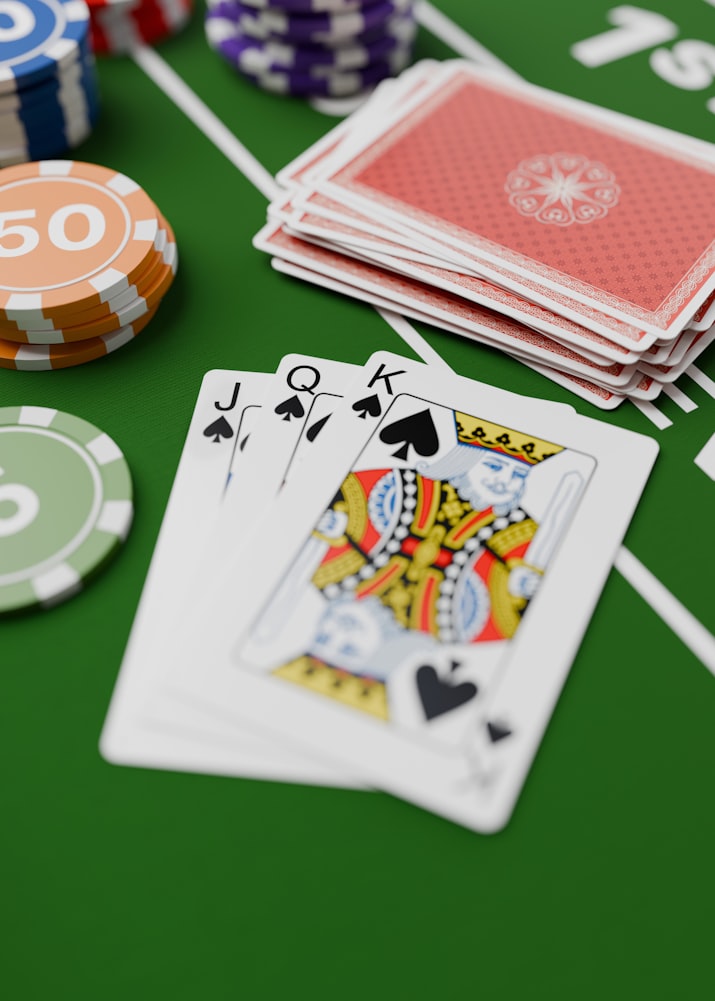
Understanding the psychological effects of gambling is essential for developing effective recovery strategies. Recovery from gambling addiction often requires a comprehensive approach that addresses the psychological, emotional, and social aspects of the individual’s life. Therapy, support groups, and self-help resources can empower individuals to regain control and rebuild their lives.
Psychological interventions, such as cognitive-behavioral therapy, focus on addressing the cognitive distortions and emotional triggers associated with gambling. These therapeutic methods encourage individuals to challenge their beliefs and develop healthier coping mechanisms. Moreover, the involvement of family and friends in the recovery process can enhance support and accountability, promoting a more sustainable path to recovery.
Additionally, resources like hotlines and online forums can provide vital support for those struggling with gambling addiction. These platforms not only offer guidance and information but also create a sense of community among individuals who share similar experiences. Understanding that recovery is a journey that often involves setbacks can empower individuals to stay committed to their path to healing.
Leave a Reply